
Chancellor King Celebrates Launch of SUNY Poly’s New Office of Workforce Development
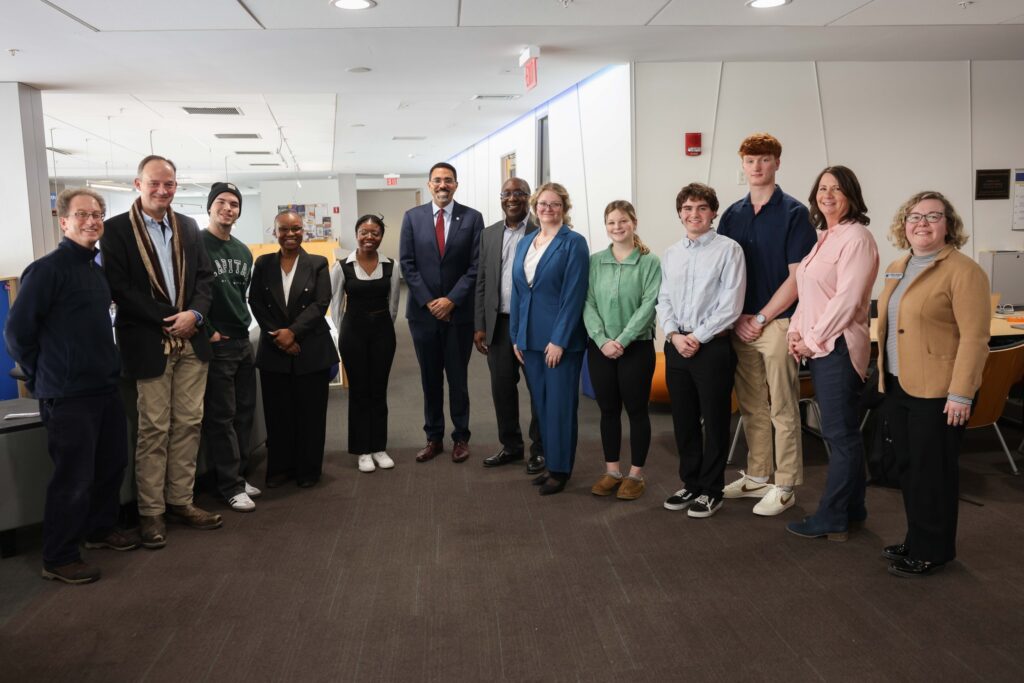
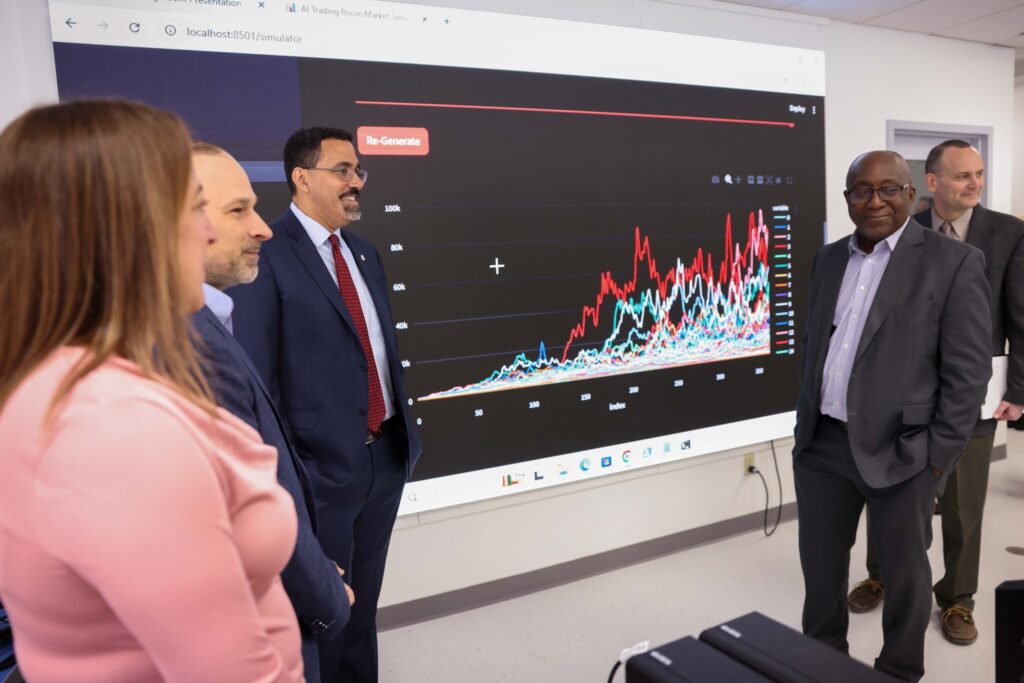
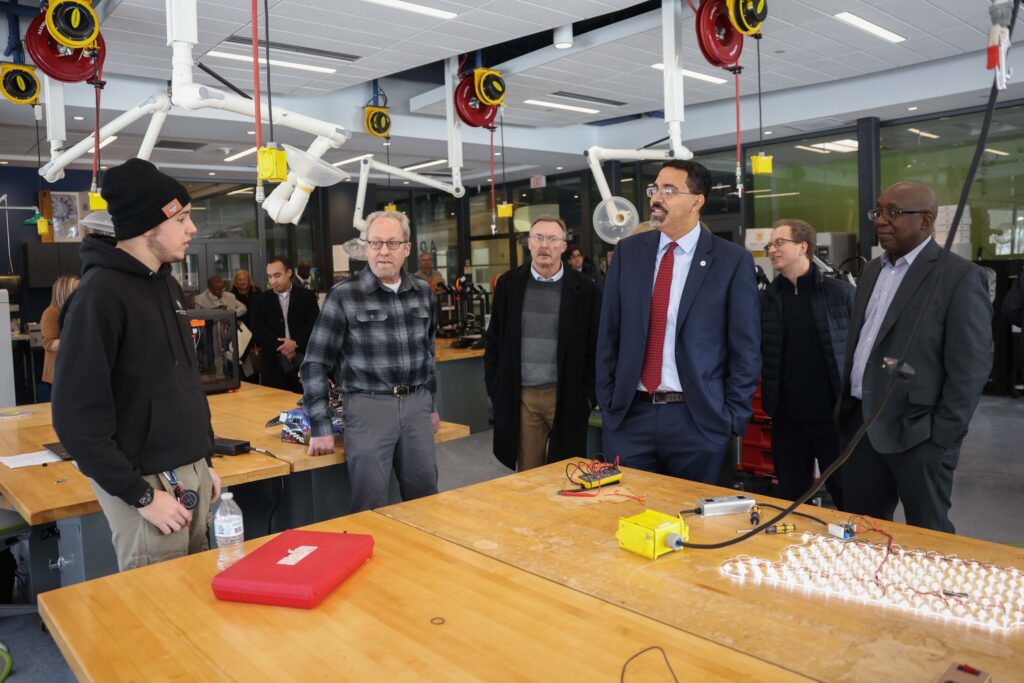
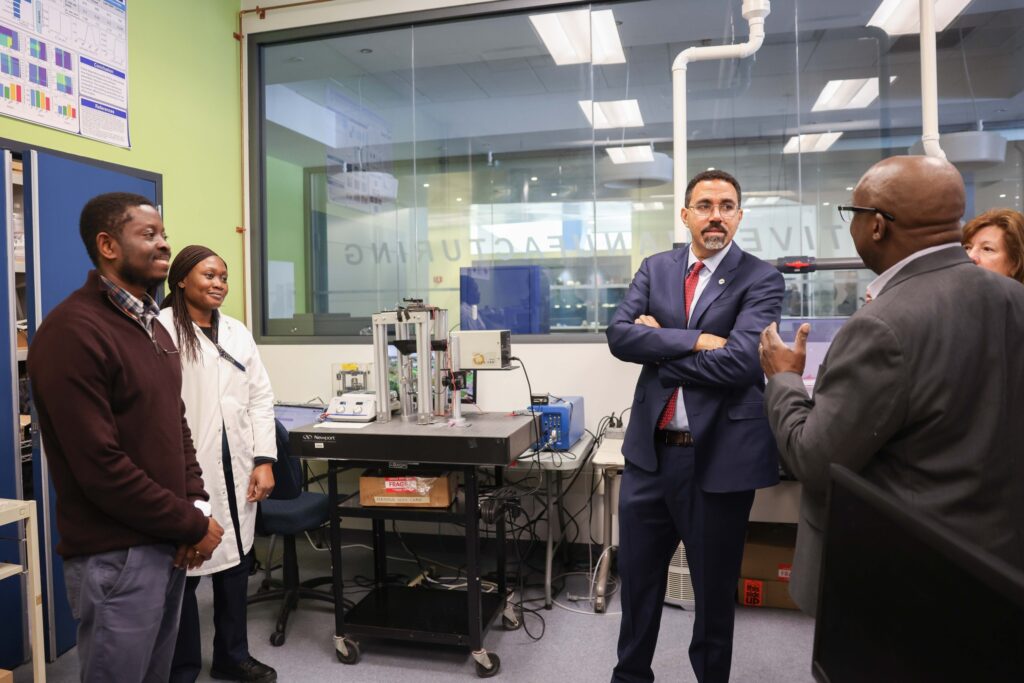
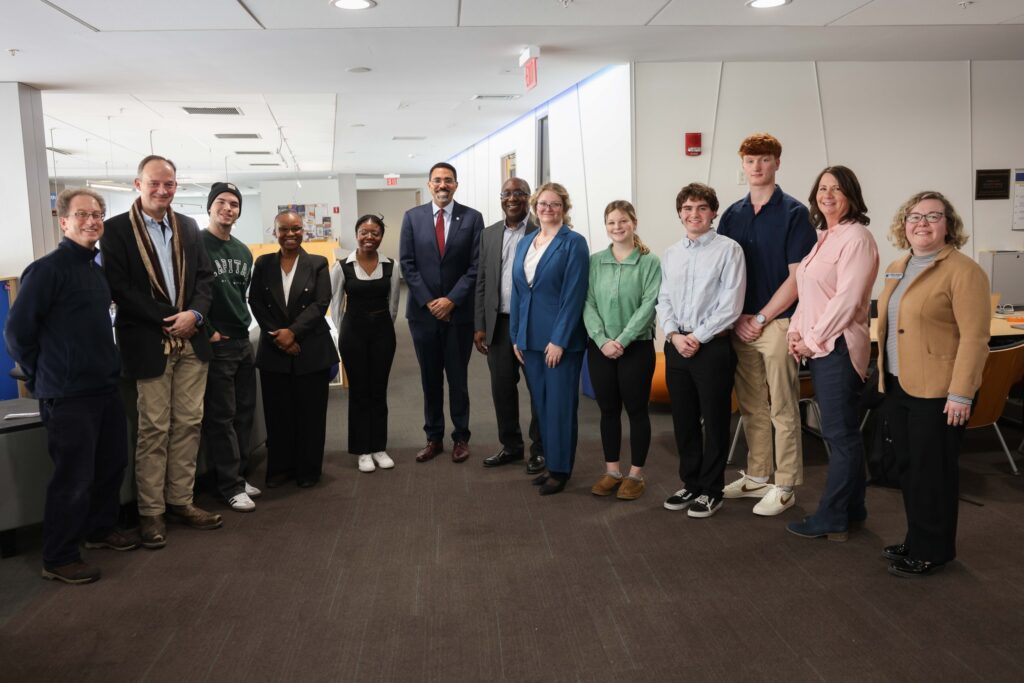
State University of New York (SUNY) Chancellor John B. King Jr. announced the launch of the Office of Workforce Development at SUNY Polytechnic Institute (SUNY Poly) during a visit to the campus in February. Chancellor King also met with business leaders and entrepreneurs as part of a roundtable discussion with students, faculty, and staff on how SUNY Poly prepares students for upward mobility and success in the workplace.
Housed within SUNY Poly’s Division of External Relations, the new office integrates career readiness, industry collaboration, internships, lifelong learning, and advanced training to prepare individuals for meaningful, sustainable careers in high-demand sectors while advancing regional, statewide, national, and global economic development goals.
SUNY Poly President Winston Soboyejo said, “Preparing a skilled, career-ready workforce is central to SUNY Poly’s mission, and the launch of the Office of Workforce Development is a major step forward in expanding that impact. This new office strengthens SUNY Poly’s ability to connect education with current workforce needs by growing industry partnerships, expanding career-connected learning, and creating clearer pathways from the classroom to high-demand careers. Through this work, SUNY Poly will help build a stronger talent pipeline for the Mohawk Valley and New York State, while ensuring students and learners are ready to contribute on day one.”
The office directly advances SUNY Poly’s strategic plan priorities by aligning education with regional and statewide workforce demand, promoting experiential and career-connected learning, deepening partnerships with industry and school districts, and expanding access to high-impact workforce initiatives.
Key efforts will include building strategic partnerships with industry and community stakeholders; supporting career services that empower students and alumni to thrive professionally; expanding workforce development training, certificate programs, pre-apprenticeship pathways, apprenticeship advancement, micro-credentials, and upskilling opportunities for students, adult learners, and the existing workforce; and enhancing pre-collegiate outreach to K–12 students to foster early engagement with STEM and emerging career pathways.