

Six Decades of Building Opportunity: SUNY Poly Turns 60
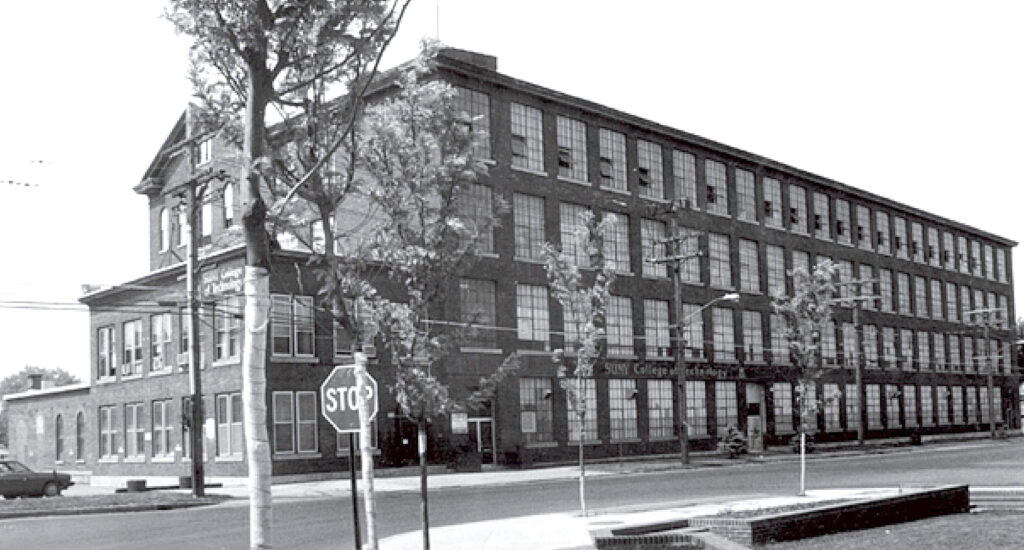
In 1966, a bold vision took shape in the Mohawk Valley: creating a public institution of higher education grounded in access, innovation, and opportunity. Established as the Upper Division College at Utica/Herkimer/Rome, SUNY Poly was born from years of determined advocacy by community leaders who believed higher education could be a catalyst for economic vitality and social mobility. That belief has guided the institution for six decades.
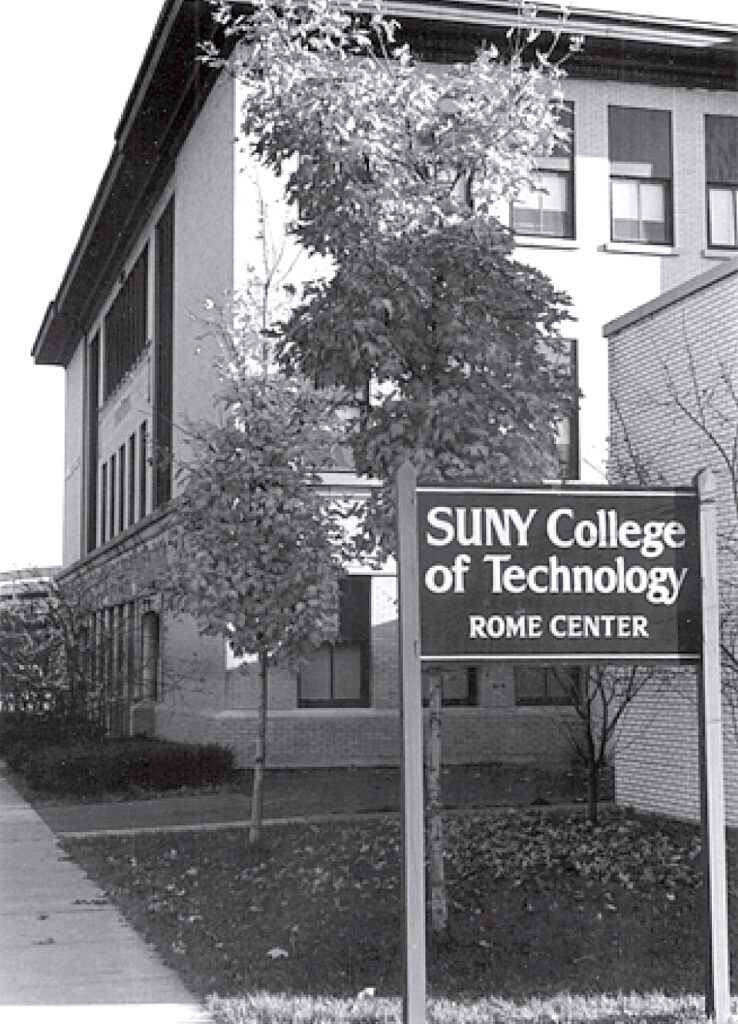
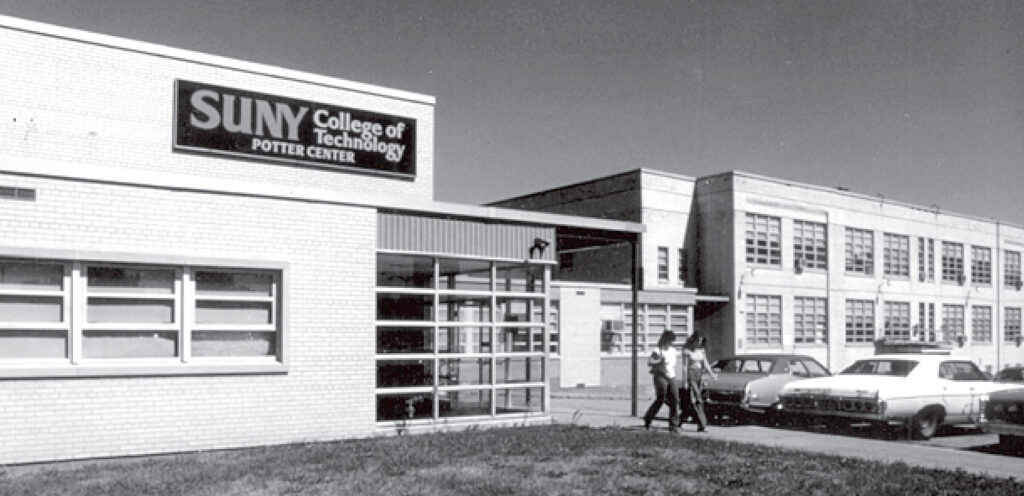
The early years were defined by resilience. With no permanent campus, the college held classes in repurposed spaces—most memorably in the former Globe Mill on Court Street in Utica—serving transfer students and working adults eager to complete their degrees. These “mills era” beginnings forged a close-knit academic community, grounded in practicality and perseverance. Even as plans for a permanent campus were delayed by fiscal uncertainty and political debate, supporters never lost sight of the mission: to educate students in ways that directly met regional and workforce needs.
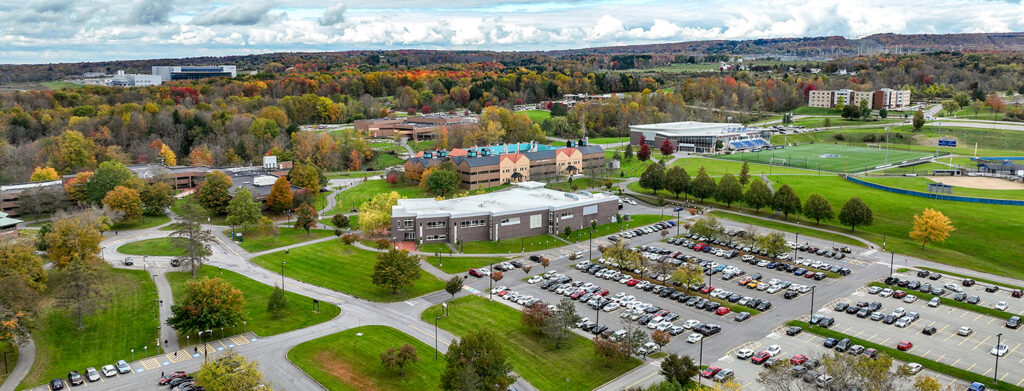
That persistence paid off in the 1980s with the development of the Marcy campus, a transformative milestone that gave the institution room to grow and a physical home worthy of its ambitions. Over time, SUNY Poly expanded its academic offerings, facilities, athletics program, and student life, reinforcing its commitment to hands-on learning, applied research, career readiness, and a sense of community. Each chapter reflected an ability to adapt, while staying true to the institution’s founding purpose.
“For 60 years, SUNY Poly has helped shape lives and strengthen the Mohawk Valley through education, opportunity, and innovation,” said SUNY Poly President Winston Soboyejo. “This anniversary is both a celebration of our legacy and a call to continue building the future—together with our students, our partners, and our community.”
Today, SUNY Poly operates as a single-campus institution in Utica, home to four colleges—Arts & Sciences, Business, Engineering, and Health Sciences—and serves approximately 3,000 students. Its polytechnic model blends professional, technical, and liberal arts education, ensuring students graduate ready to contribute on day one.
That future-focused approach is evident in SUNY Poly’s expanding K–12 outreach and growing network of industry partnerships. Recent milestones—including the inaugural Wolfspeed Endowed Chairs, MOAs with Assured Information Security, Griffiss Institute, Mohawk Valley Health System and Masonic Medical Research Institute, the launch of the NYSTEC Business Center of Excellence and a new Office of Workforce Development, and the largest new undergraduate class in SUNY Poly’s history, with 800 students enrolling in 2025—underscore the university’s role as a driver of innovation, talent development, and regional growth.
As SUNY Poly marks its 60th anniversary, the celebration honors not only institutional milestones, but the people who made them possible—students who balanced work and study, faculty who built programs from the ground up, staff who sustained momentum through change, and a community that consistently believed in the power of public higher education.
The yearlong 60th anniversary celebration began on January 21 with a special kickoff event featuring From the Mills to Marcy author John Swann, retired SUNY Poly professor John Marsh, and President Soboyejo, and will culminate with a signature Anniversary Gala on September 19, 2026. Together, these moments will reflect on a remarkable journey, from improvised classrooms in former mills to a modern polytechnic institution, while reaffirming a shared commitment to the next generation.
Sixty years on, SUNY Poly stands as proof that when education, innovation, and community align, lasting impact follows.
This article used information from the book, “From the Mills to Marcy,” by John Swann.